Securing Your Data: Essential Compliance Standards for Data Centers
Securing Your Data: Essential Compliance Standards for Data Centers
Blog Article
The function of data centers in storing, managing, and distributing data is of utmost importance in today's technology-driven world. If you are in search of appropriate data center space for lease or seeking to better understand the services they provide, the value of efficient data center solutions is undeniable. In light of the rapid advancements in digital technologies, businesses must thoughtfully consider their data strategies, particularly when determining which data center aligns with their needs the official site. As companies grow increasingly dependent on data and digital solutions, data centers become critical to the success of these operations. Beyond merely housing servers, they ensure data security and reliability, highlighting the necessity for organizations of all sizes to familiarize themselves with various data center services and the infrastructure that supports them. Data centers are facilities designed to house computer systems and associated components such as telecommunications and storage systems. The purpose of data centers extends far beyond simple storage; they provide essential services like data processing, backup, recovery, and security. Various organizations utilize these spaces, from small startups needing a colocation data center near me to large enterprises employing hyperscale data centers to handle immense workloads. A typical data center consists of a combination of hardware—servers, routers, and storage devices—along with systems optimized for power management, cooling, and security. Security in data is crucial, especially given the rising number of cyberattacks. Data center companies implement strict protocols to safeguard sensitive information. Physical security measures, including biometric access controls and surveillance systems, are common features of modern data centers. Choosing the right location for a data center is as vital as the services it provides. Data centers in the US are often strategically placed to ensure minimal latency and optimal operational efficiency. For example, locating a data colocation center near major metropolitan areas can enhance connectivity and reduce the time it takes for information to travel between servers and users. Moreover, geographic location influences aspects like power availability, climate, and regulatory requirements. In regions prone to natural disasters, for example, additional measures must be taken to ensure data continuity. This consideration is particularly critical for businesses involved in enterprise AI and those managing large datasets. Colocation data centers offer organizations the opportunity to rent space for servers and other hardware without the need to invest in building and maintaining their own data center. This model has gained popularity due to its cost-effectiveness and efficiency. By sharing space with multiple clients, businesses can enjoy high-quality infrastructure without the steep overhead costs usually associated with data center construction. Hyperscale data centers, on the other hand, cater to the needs of large-scale operations, including major tech companies and cloud service providers. These facilities are designed to efficiently scale resources to accommodate fluctuating workloads. Hyperscale environments facilitate automated resource management, enabling organizations to rapidly adjust their capabilities in response to evolving demands—an essential component for businesses reliant on AI data centers. The realm of data center infrastructure consists of numerous systems and technologies that facilitate both operations and connections. Fundamental components feature server units, networking apparatus, storage solutions, cooling systems, and backup power units. Acquiring insight into this multifaceted framework can assist companies in identifying the data center services that align with their distinct requirements. A variety of data centers extend comprehensive services like managed hosting, disaster recovery, and dedicated connectivity to cloud services. Organizations must meticulously determine which services are necessary, taking into account their present and anticipated future needs. These considerations significantly influence their choice of not merely data center providers but also the specific infrastructure essential for their data management systems. For businesses wanting to explore different options accessible to them, the topic of data centers offers a thorough understanding of the various types, applications, and technologies associated with these facilities. To ensure you get the most from your data center investment, stay ahead of the competition by following these proven tips. Data center space is defined as the physical environment within a facility assigned for the placement of servers alongside IT equipment, coupled with the necessary supporting infrastructure for their operation. To choose a data center provider effectively, you should analyze your particular needs, account for budget limitations, examine expansion opportunities and security features, while also emphasizing location for optimal effectiveness. The expenses associated with data center space can differ widely based on its location, required size, available services, and the duration of the lease. Typically, providers will charge a monthly fee proportionate to the space utilized and services received. When evaluating data center space, concentrate on demonstrating results, transparent reporting, and ensuring that the methodology aligns with your market requirements and timelines. Be wary of ambiguous promises without a solid measurement framework. Ask about the methods used to track progress, what is compulsory versus optional, and how the provider modifies strategies when there are declines in traffic or rankings. A written outline prior to any payment can protect the interests of both parties. Grasping the complexities of data center space and its services can significantly help businesses make choices that support their goals. As technology continues to advance, selecting the right data center infrastructure will offer a distinct competitive edge. The increasing necessity for secure and efficient data management highlights the importance of meticulously chosen data centers that meet the specific needs of every organization. In assessing data center space, prioritize evidence of performance, transparent reporting, and whether the strategy aligns with your market and timeline. Ambiguous assurances without a clear measurement framework should raise concerns. Inquire about how progress is monitored, what services are included versus optional, and how the provider adapts strategies when performance dips. Establishing a written agreement before making payments safeguards both parties.The Core Functions of Data Centers
Data Center Locations and Their Importance
The Shift Towards Colocation and Hyperscale Data Centers
Understanding Data Center Infrastructure and Services
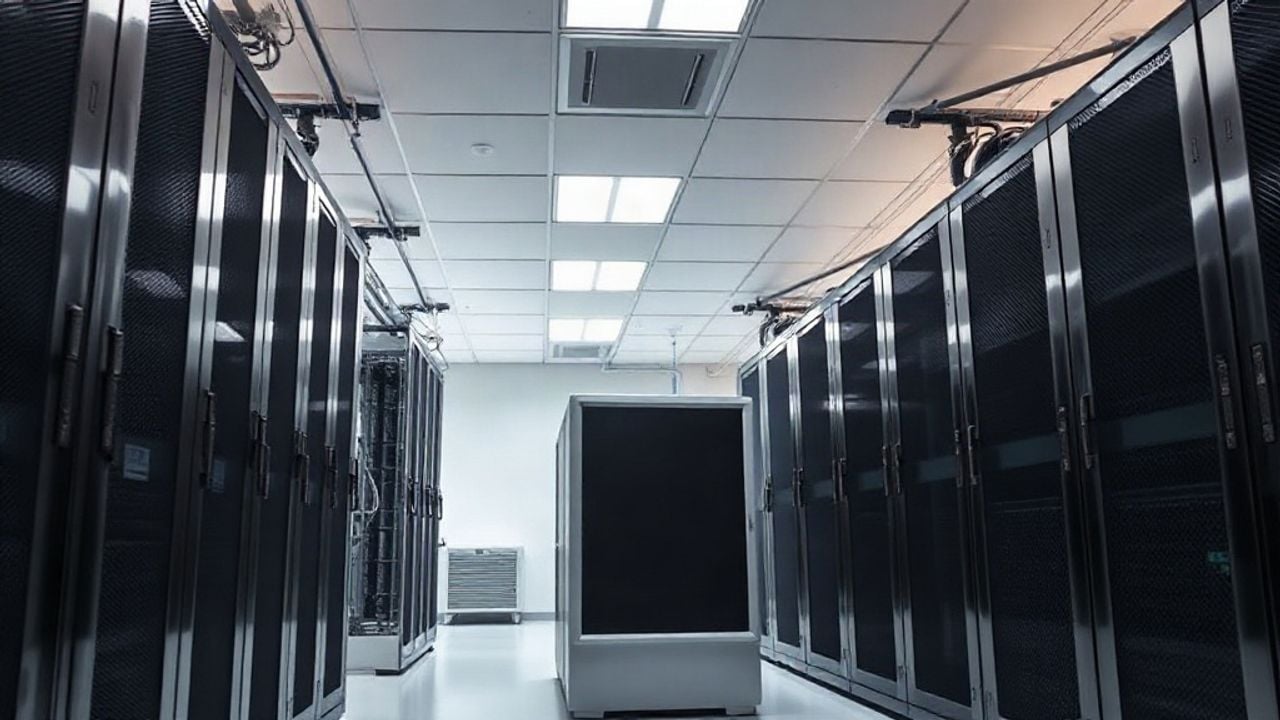 data center space for leasedata center space for lease guide
Best Practices for Maximizing Data Center Efficiency
Frequently asked questions
What is data center space?
How do I choose a data center space provider?
How much does data center space cost?